Coin collecting, often seen as a hobby for history enthusiasts and numismatics, carries a fascinating allure. The intricate designs, the tales of yesteryears embedded in each piece, and the pursuit of rare finds all add to its timeless charm. In the aeon-old realm of coin collecting, dealers serve as the critical linchpins, bridging eager the coin seller with the passionate collectors.
1. What Factors Do Dealers Consider When Evaluating Coin Inventory?
Coin dealers make quick decisions about inventory acquisitions based on certain factors that can impact their interest significantly. Being aware of these factors can give sellers an edge.
1.1 Market Demand and Trends
Dealers follow market demand closely, looking for trending coins, and adapt to these trends, which can change rapidly. Being updated on trends and diversifying into digital coins can strengthen a seller’s position.
1.2 Coin Condition and Grading
Condition determines a coin’s value. Coin sellers should maintain coins and possibly invest in professional grading for affirmation and authentication, which can increase appeal.
1.3 Authenticity Verification
Authenticity is crucial. Sellers who provide authentication gain a competitive advantage as it reassures dealers about a coin’s legitimacy.
1.4 Historical and Numismatic Significance
Historical significance enhances coin value by captivating both dealers and collectors. Dealers value the narrative and numismatic significance, adding appeal.
1.5 Dealer’s Current Inventory Needs
Sellers should be aware of a dealer’s current inventory and target audience to tailor their offerings and improve their chances of captivating dealer interest.
2. How Does Pricing Affect Dealer Interest?
Pricing is crucial in attracting dealer interest. Proper pricing strategies are important for competitive and fair negotiations.
2.1 Competitive Pricing Strategies
Competitive pricing reassures both parties in negotiations. Consulting with professionals for market analysis helps in setting lucrative offers.
2.2 The Role of Appraisals
Appraisals provide price credibility and establish trusted benchmarks for both sellers and dealers, fostering relationships grounded in fairness.
2.3 Influence of Metal Prices
Metal price volatility affects coin values. Sellers who stay informed about these shifts can adapt their pricing and capitalize on market opportunities.
2.4 Negotiation Tactics
Effective negotiation enhances dealer engagement and relationship building, focusing on mutual benefits and desirable outcomes.
2.5 Price vs. Value Perception
Understanding the distinction between price and perceived value helps sellers articulate broader cultural and historical significance, enriching dealer interactions.
3. What Makes A Coin Collection More Appealing to Dealers?
Certain characteristics make a coin collection more appealing, granting sellers the ability to align with dealer preferences.
3.1 Rarity of Coins in the Collection
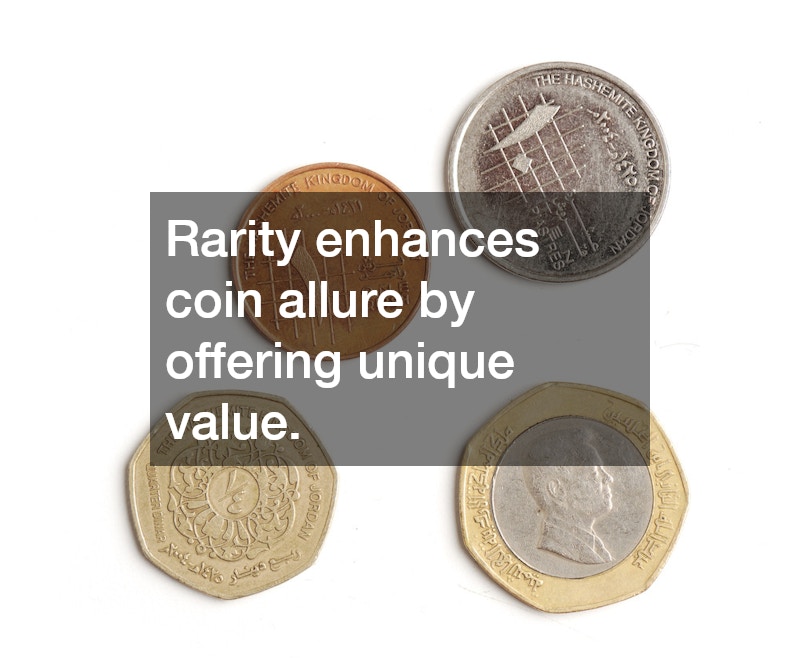
Rarity enhances coin allure by offering unique value. Sellers mastering this attract dealer curiosity and attention.
3.2 Comprehensive Documentation
Thorough documentation enhances transparency and builds dealer trust, providing a treasure of knowledge supporting fair exchange.
3.3 Set Completeness and Cohesion
Complete sets signify achievement, presenting a cohesive and valuable collection that tends to attract dealers.
3.4 Eye Appeal and Aesthetics
Aesthetic quality and visual allure drive dealer interest, enhancing a collection’s emotional and monetary value.
3.5 Cross-Collection Synergies
Synergies within and across collections foster dynamic engagement, increasing appeal among dealers.
4. Why Might Dealers Decline to Purchase Certain Collections?
Various factors can result in dealers declining offers, such as market saturation and lack of interest in certain collections.
4.1 Overabundance of Similar Coins
A surplus of similar coins can deter dealers seeking unique offerings, prompting sellers to explore strategic differentiation.
4.2 Lack of Provenance or Certification
Missing certification or provenance raises authenticity concerns, making coins less appealing to buyers.
4.3 Poor Coin Condition and Storage
Bad storage conditions can diminish a coin’s value, shifting dealer interest towards better-preserved offerings.
4.4 Market Saturation
Market saturation decreases the allure of valuable coins. Sellers should seek niche markets to attract attention.
4.5 Personal Interest and Expertise
Dealers often prefer collections that align with their personal interests or areas of expertise, impacting their purchasing decisions.
5. How Can Sellers Increase Their Chances of Dealer Interest?
Leveraging multiple strategies like relationship building, presentation enhancement, trend adaptation, and using strategic platforms increases dealer interest.
5.1 Building Relationships with Dealers
Networking and building trust through transparent communication are vital for lasting partnerships with dealers.
5.2 Improving Presentation and Showmanship
Excellent presentation and showmanship add intrigue and professionalism, capturing dealer interest through engaging experiences.
5.3 Keeping Informed on Industry Trends
Staying updated on industry trends and shifts enhances competitiveness, empowering sellers to adapt and thrive.
5.4 Utilizing Professional Appraisal Services
Professional appraisals add transparency, supporting dealer confidence through authenticated valuations.
5.5 Strategic Selling Platforms
Choosing the right selling platforms is crucial for visibility, requiring strategic selection to maximize dealer interest.
Credibility is enhanced by authenticity and professional appraisals, while adapting strategies to market evolution creates ongoing opportunities, leading to successful dealer-seller partnerships.